
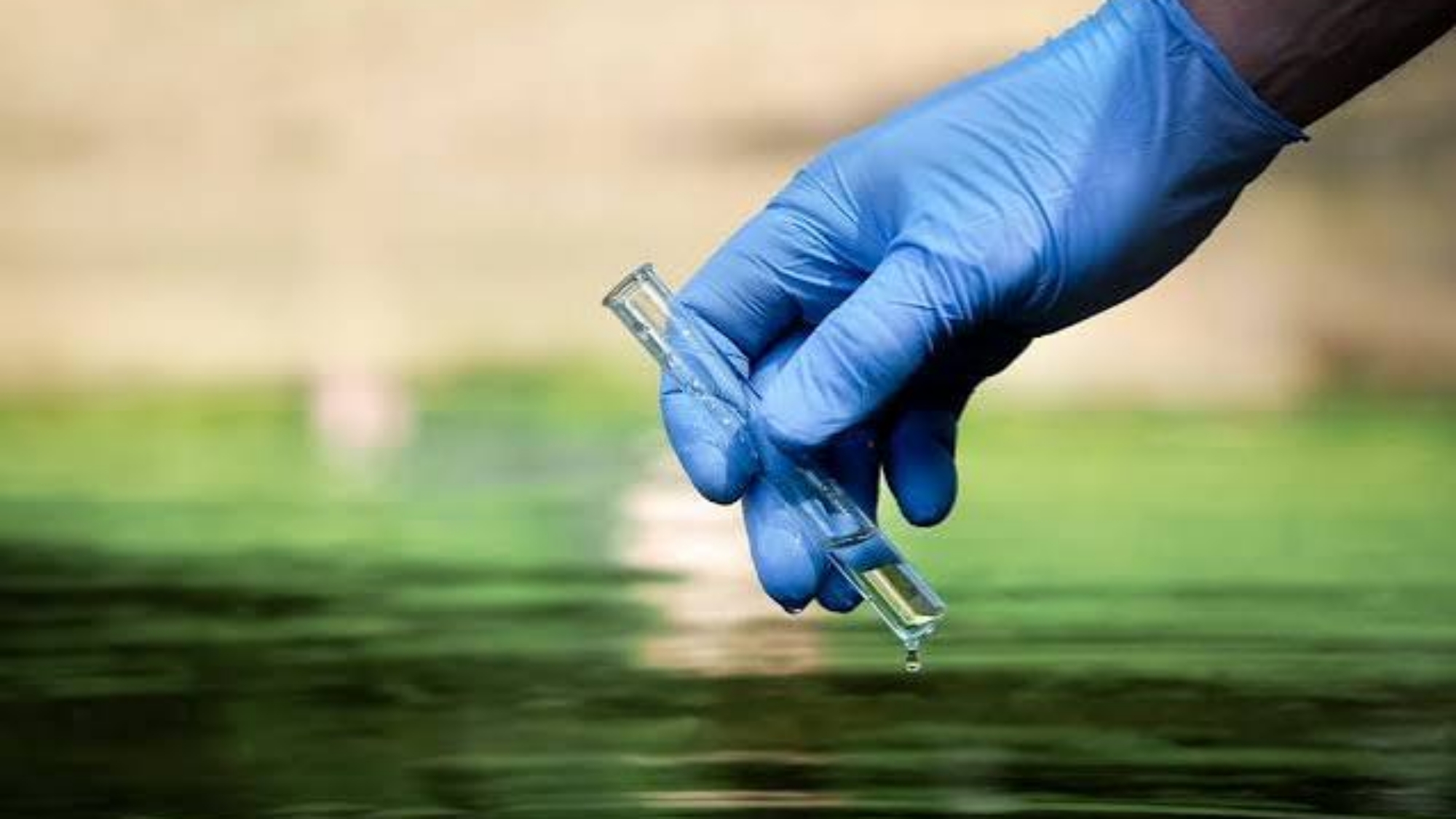
You pour yourself some water. It appears glassy clear. However, is that safe? That is purely deceiving. Certain contaminants are hard to see with the naked eye as they include chemicals, bacteria, and heavy metals that are among the most hazardous contaminants. Having access to clean and safe water cannot be taken as a privilege because this is a right of humanity that cannot be without health and well-being, as well as daily activities.
It’s survival. And being aware of what is in your water will safeguard you, your family and even business interest.
What is Water Quality Testing?
Water quality testing checks for contaminants such as bacteria, chemicals, heavy metals, and physical changes in clarity, taste, and smell. It can be done at home with test kits or in certified labs for detailed analysis.
At its core, water quality testing is the process of checking what’s in your water, good or bad. It informs you on whether your water is good to drink, use in agricultural activities or run through machines and not break them.
Things that are measured with the tests include acidity, clarity, mineral content and contamination. Just imagine it is the same thing you do with a checkup of your health but with your water. Like the doctors perform the blood tests to ascertain the progress of what is going on in your body, scientists perform the water tests to determine what lurks in your glass.
Why Water Quality Testing Matters
There are dangers that can be concealed in water. This may include old pipes which may leach lead. Arsenic can be used to pollute the wells. Chlorine byproducts or bacteria may occur even in the treated tap water.
Water testing in drinking ensures that whatever you gulp does not poison you. In the case of farmers, it investigates whether water is going to spoil crops. In the industries, it obviates scale, corrosion and expensive breakdown.
The main question is the following one: what secret menaces are water treatment facilities seeking? These four big ones are:
1. Biological: Bacteria, Viruses, Parasites.
2. Chemical: Pesticides, Chlorine, Nitrates.
3. Heavy Metals: Arsenic, Lead, Mercury.
4. Physical: Clarity, Taste, Smell.
Bacteria, virus, chemicals, metals and even sediments all say something different about the safety of the water. These are the rodent parabolas that cause water analysis to be so imperative.
The 4 Main Types of Water Tests
No single test is there to measure everything in water. Instead, there are different types of water quality tests, each designed to catch specific problems.
1. Physical Tests
The most basic ones are physical tests. They observe color of water, odour, flavour and cloudiness. An example will be the turbidity test which evaluates the clarity or cloudiness of water. Cloudiness may be in the form of suspended particles or dirt including microbes.
Metallic smell or salt aftertaste is more than ugly, let alone warning of a potential excess mineral in your water or even possible contamination to warrant testing. Those tests might appear trivial; however, they are the initial stage in a water quality check.
2. Chemical Tests
Chemical testing is when things get deeper. A chemical test for water quality looks at the dissolved substances inside.
- A pH check will bring out the reality of your water, whether it tends towards acid or alkaline, and this will directly determine its safety level of consumption either in drinking, irrigation or as an industrial source of water.
- Salts, minerals, and organic matter are measured using Total Dissolved Solids (TDS).
- Analysis of conductivity indicates how pure the water is in terms of conducting electricity.
- Tests to check on the level of chlorine verify whether disinfection levels are at a safe rate.
- Heavy metal testing identifies lead, arsenic, mercury, and cadmium which are silent poisons and capable of being harmful to health even in small doses.
- Such water tests are chemical tests that tell us what we cannot see.
3. Biological (Microbiological) Tests
Biological testing is where it becomes personal. Water bacteria testing is used to look for E.coli, coliforms and other dangerous microorganisms. Even extremely small amounts can make one very sick. Regarding such contaminants as lead, arsenic or dangerous bacteria, any negligible trace of it can cause severe health issues, and comprehensive water testing is of utter necessity.
Such water microbial laboratory testing procedures are of vital importance when analyzing drinking water. A single test failure can be the cause of stomach trouble in one family or epidemics in whole communities.
4. Water Tests Niche
Other tests are created with certain necessities. The minerals in mineral water are tested in the calcium, magnesium, and some other minerals that influence the taste and health. Bottled water and filtration systems are tested in terms of water purity. The issues that may harm boilers or cooling system are examined through specialized water treatment tests in industries.
Water quality experiments are conducted by the environmental agencies to test lakes, rivers, and ground water. Such water testing methods facilitate the conservation of ecosystems and this comes as a result of thorough check up of rivers, lakes and underground water to assure that wildlife, plants as well as natural habitats have been well balanced and retained in a sound status.
It is through this that the water testing techniques can preserve the ecosystems and this is so since rivers, lakes and underground water are under constant observation to achieve harmony of wild life, plants and natural habitats.
Water Quality Testing Methods
So, how is water quality tested? There are two main approaches: quick checks at home and detailed water laboratory testing.
At Home Water Tests
DIY water testing kits, such as pH strips and TDS meters, give homeowners a quick first look at their water quality. By Checking the quality of the drinking water used or the mineral content, with the help of home test kits takes only a few minutes and can give a brief view of what your glass is really composed of. The water testing processes allow preservation of ecosystems and this is due to the fact that rivers, lakes and underground water are keenly observed so that wildlife, plants and natural habitat are balanced and maintained in proper health.
However, these DIY water checks are just prologues. They are unable to sense bacteria and heavy metals.
The Water Testing in the Lab
Nothing can beat a complete picture more than a lab water test. This is how to test water quality in lab:
1. Take one sample of clean water.
2. Scientists run water analysis methods, from titrations and spectrophotometry to microbial cultures.
3. Higher machines measure chemical composition, metals and microbes.
4. The analysis of the results of the water test is performed by experts and an informative water analysis report is given.
When asked, which method is used in water analysis? This depends. The cleaners are not universal because various pollutants require varying equipment. That’s why types of water testing methods vary so much.
Such regulatory authorities as the World Health Organization (WHO) and Environmental Protection Agency (EPA) stipulate the standards test of water. They normally include pH, Total Dissolved Solids (TDS), turbidity, chlorine and the presence of microbial.
How to Test Water Quality at Home
Want to know how to check water quality quickly? Start simple:
• A TDS meter is used to see mineral content.
• Use chlorine strips when treating your tap water.
• Using pH paper, the user will be capable of knowing the acidic/alkaline nature of the water.
They can help in quick testing of the quality of the water but in case of doubt about safety it is a sound habit to conduct water testing and analysis at a lab.
Water Quality Testing for Drinking Water
Safe drinking water testing ensures that contaminants such as bacteria, heavy metals, and chlorine byproducts are detected before they affect human health. It produces the most significant effects when it is related to drinking. The parameters of taste and clearness in testing the water consumed in drinking are not limited. They determine the presence of bacteria, metal and chemicals that can silently bring on health complications.
The tests on water quality of the drinking water are executed most of the time to refer to:
• Microbiological analysis
• Heavy metal screening
• Chlorine and PH
• Flavor, mineral content for safety
Whether you’re using tap water, well water, or bottled water, knowing how to test water quality for drinking could be the difference between safe hydration and hidden danger.
Professional Water Testing with GRIPCO
Home tests disclose part of the story. Total security is entrusted to highly competent test laboratories, such as GRIPCO.
GRIPCO offers expert water testing services, providing you with a complete picture of your water’s safety. Our detailed analysis covers all critical parameters:
• Analysis of acidity and alkalinity carried out at pH
• Conductivity of Dissolved solids and TDS
• Turbidity testing for clarity check
• Chlorine levels check for disinfection
• Toxic heavy metal testing
• Microbiological testing bacterial
The discussion of drinking water is presented to the clients in all-inclusive form; the outcome is natural and understandable while interpretation and recommendation are useful. Confidence is important and therefore all water tests are conserved with the utmost in confidentiality and ethics.
Conclusion
The water can appear to be clean. But without water quality testing, you’ll never know what’s really inside. Whether it is a simple at-home test or complex analysis conducted in a laboratory, all tools are important. It is good to note that the four major indicators physical, chemical, biological, and mineral indicators tell the full story.
Only then would you be in a position to guarantee safety to be exploited in drinking or production purposes or in agriculture.
If you want certainty, don’t guess. Get your water tested. Rely on the expertise of GRIPCO when it comes to water testing and analysis since clarity in water does not symbolize purity in water.